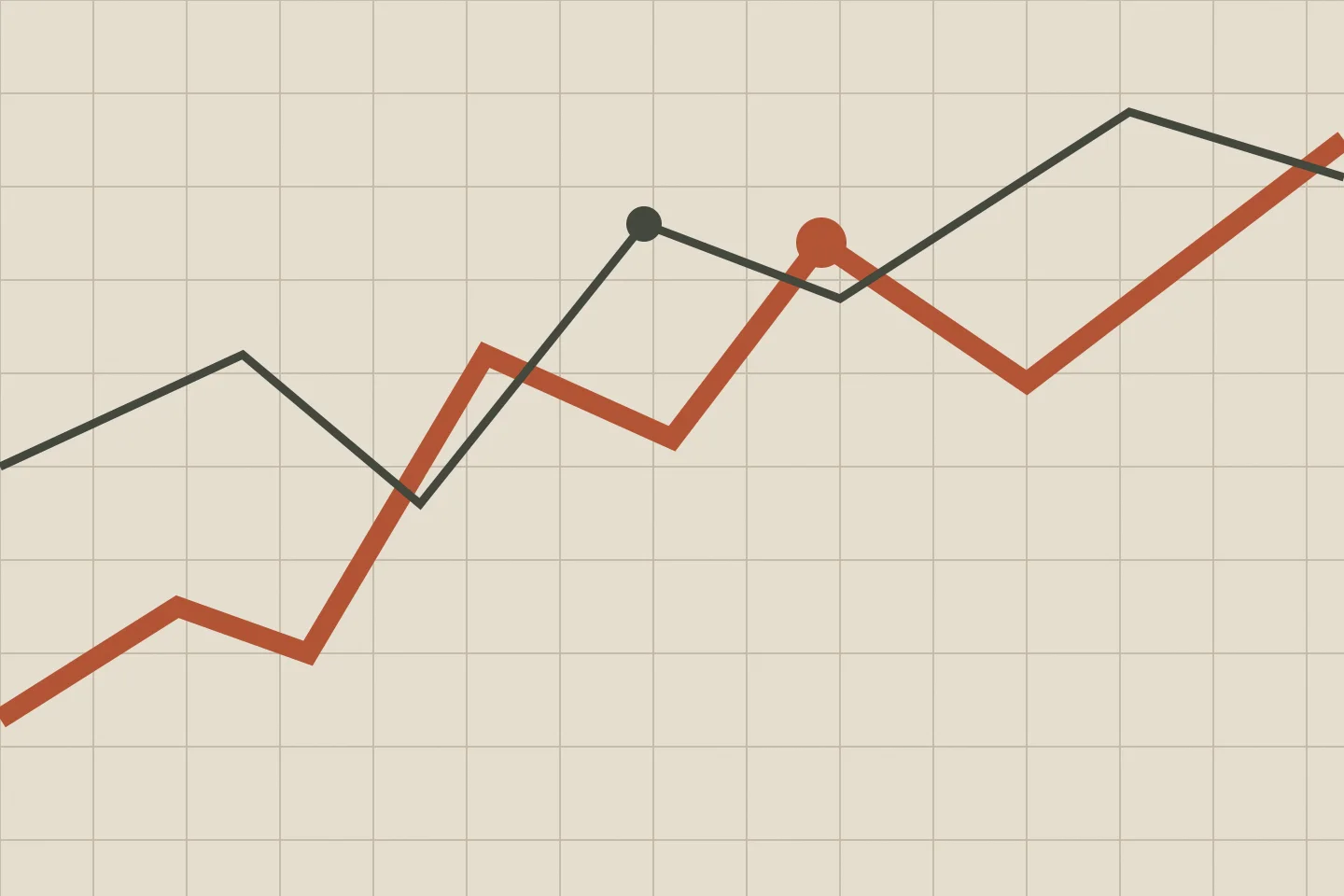
A price is a compressed result of many choices. It records an agreement between a buyer and a seller at a particular moment. It does not record every assumption that brought them there.
One number, many stories
Two people can accept the same price for entirely different reasons. One needs liquidity. Another has a long horizon. A third is adjusting an exposure elsewhere. Observing the number is easier than observing those motives.
What we observe | What remains uncertain |
|---|---|
A transaction price | The participants’ full reasoning |
A change in volume | Which motives drove the activity |
A price range | How future participants will respond |
Separate observation from interpretation
It helps to write down what happened before explaining why. “The quoted price changed” is an observation. “The market now believes this story” is an interpretation that may require more evidence.
A useful explanation should tell us what would make it wrong.
The discipline is not to avoid stories entirely. It is to hold them lightly enough that new evidence can still matter.